Large Enclosure
Hamsters need generous, unbroken floor space for movement, foraging, burrowing, and enrichment. Bigger is always better.
Read Moreethical hamster care made simple
Learn the basics of safe hamster housing, deep bedding, enrichment, food, sand baths, and product choices without the outdated pet-store advice.
care basics
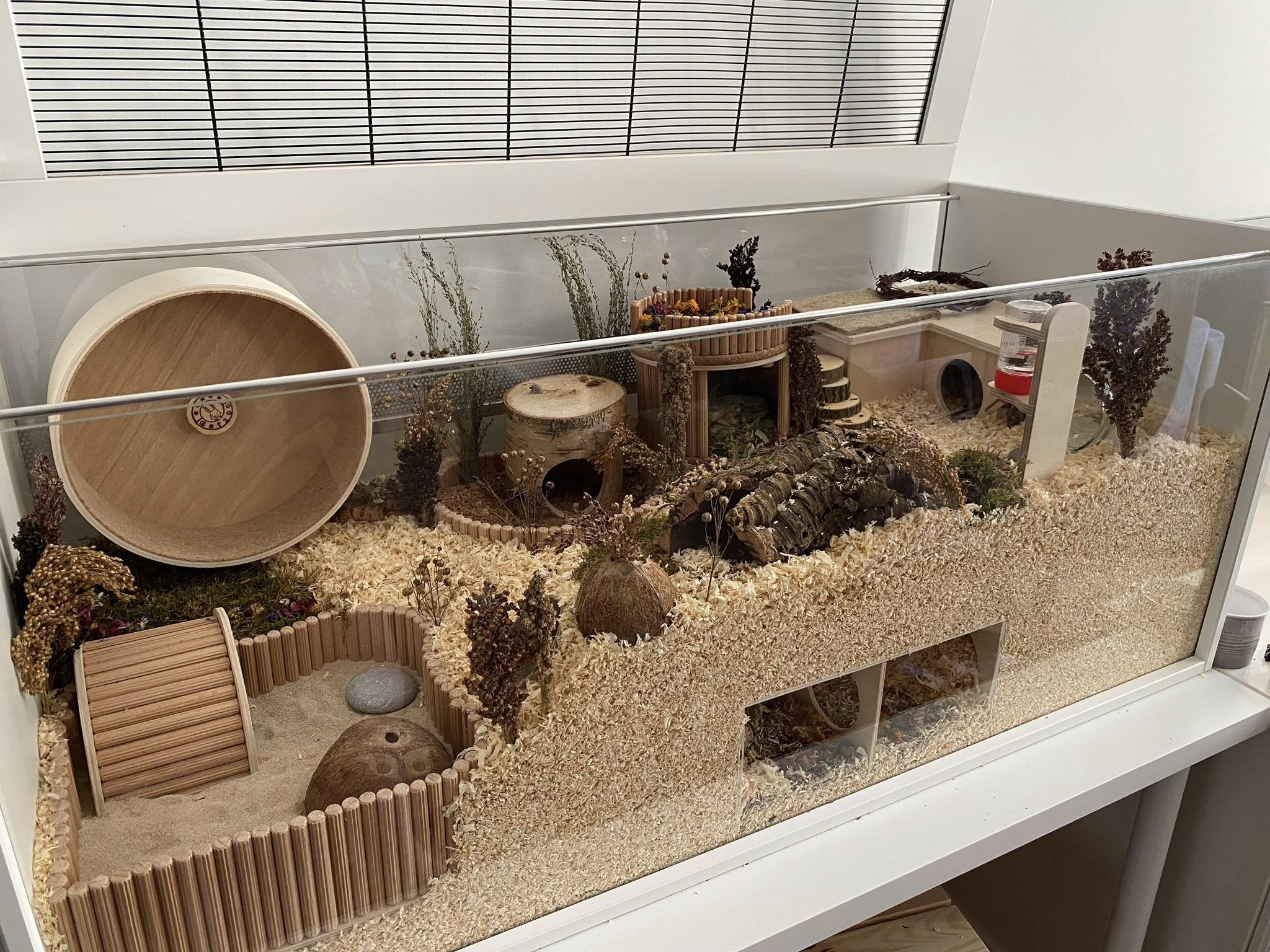
Hamsters are active, intelligent animals that need more than a small cage and a wheel. A proper setup should support burrowing, hiding, foraging, chewing, digging, and exploring.
HamsterCare.net is built to help owners create safe, enriching homes with clear guides, practical calculators, and honest product reviews.
Hamsters need generous, unbroken floor space for movement, foraging, burrowing, and enrichment. Bigger is always better.
Read MoreDeep bedding lets hamsters dig, tunnel, nest, and feel secure. Aim for at least 8+ inches whenever possible.
Read MoreA safe wheel should be solid and large enough for your hamster to run with a straight, natural back position.
Read MoreHides, tunnels, sprays, chews, dig boxes, and clutter help your hamster feel safe while staying active and curious.
Read MoreProper Care
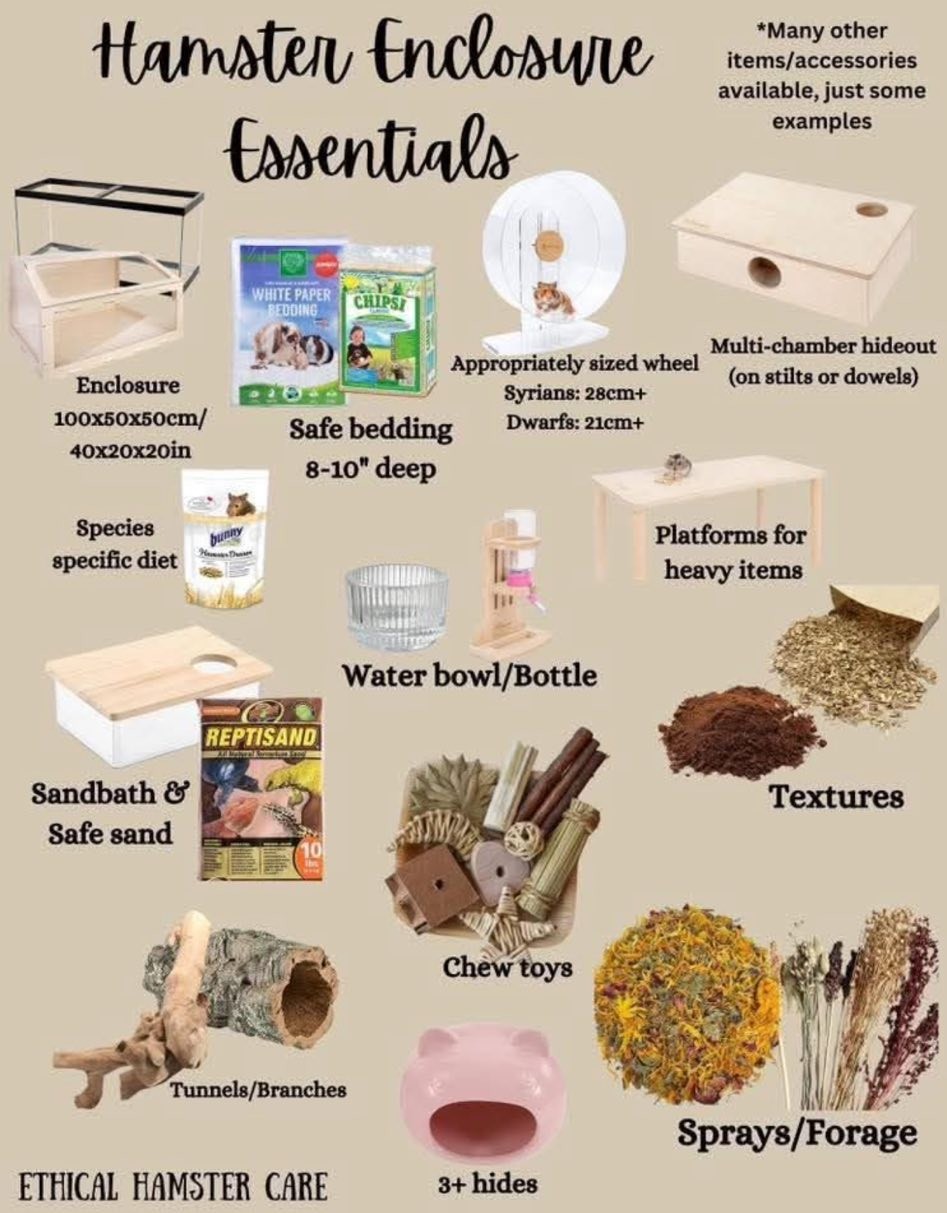
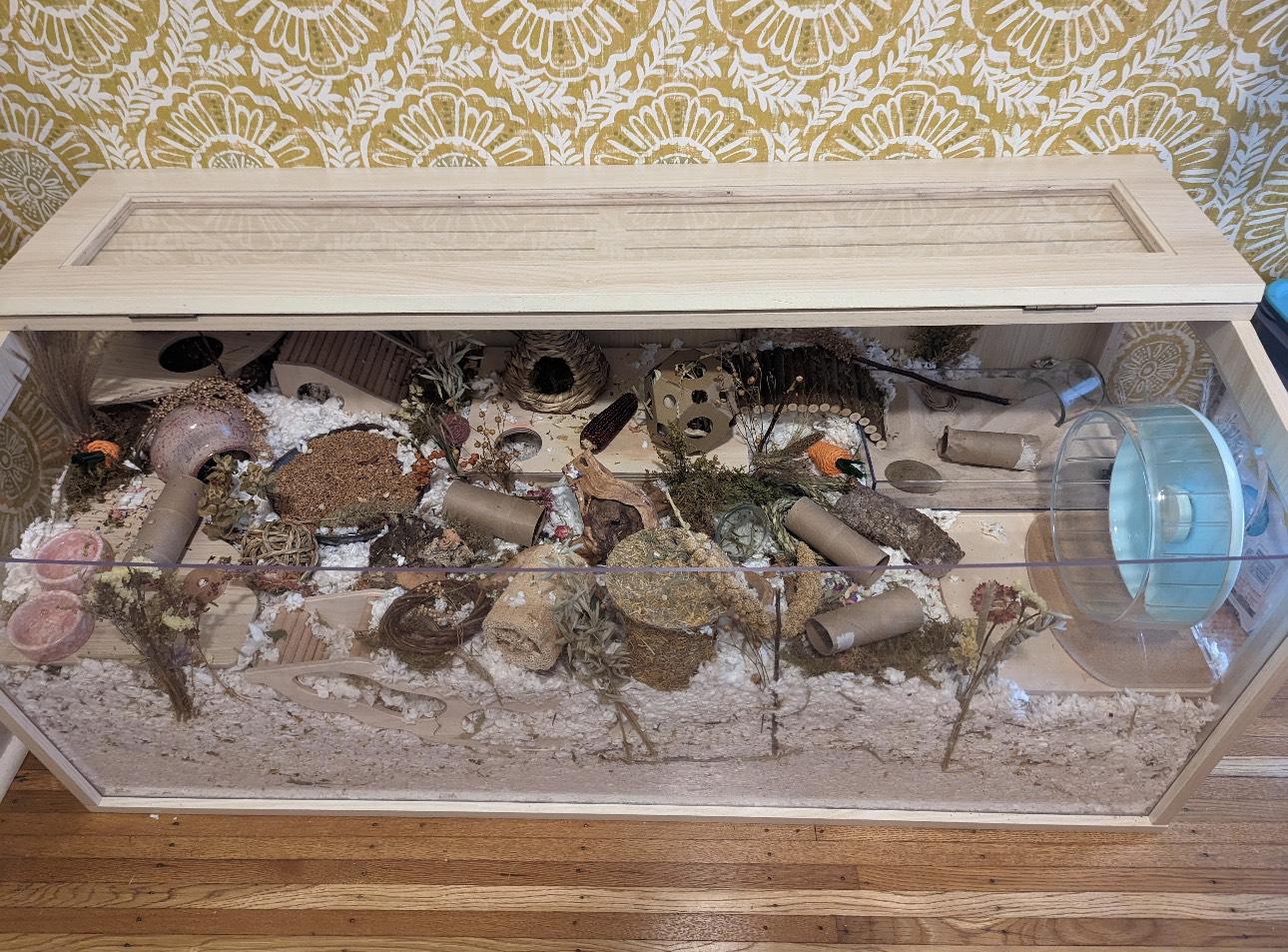
This care sheet should help you choose safe products for your furry friend.
products to avoid
Some products are still sold as hamster-safe even though they may be unsuitable, risky, or outdated. These examples show common items owners should research carefully before buying.
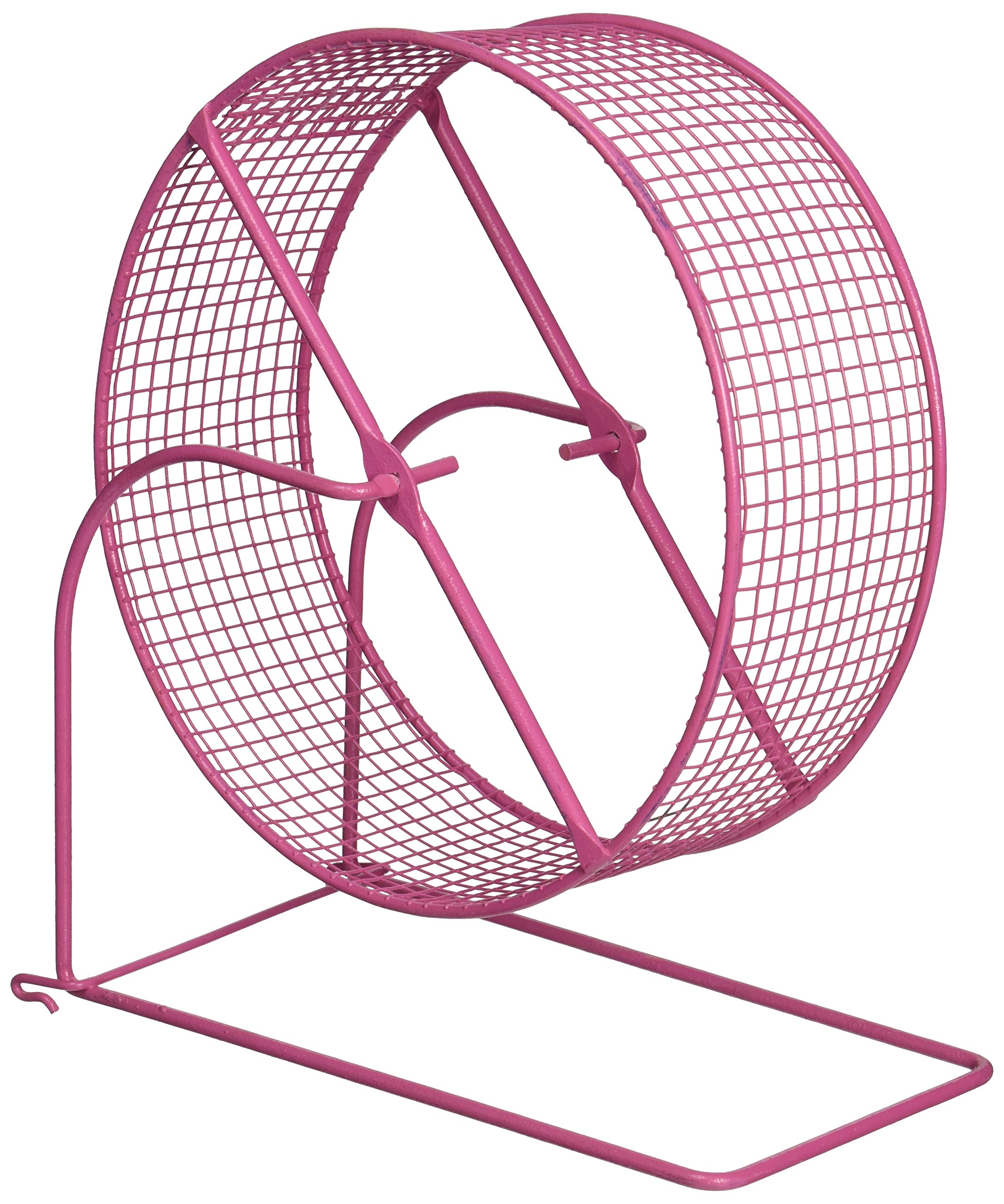
Wire wheels can create injury risks and usually do not provide a safe, solid running surface.
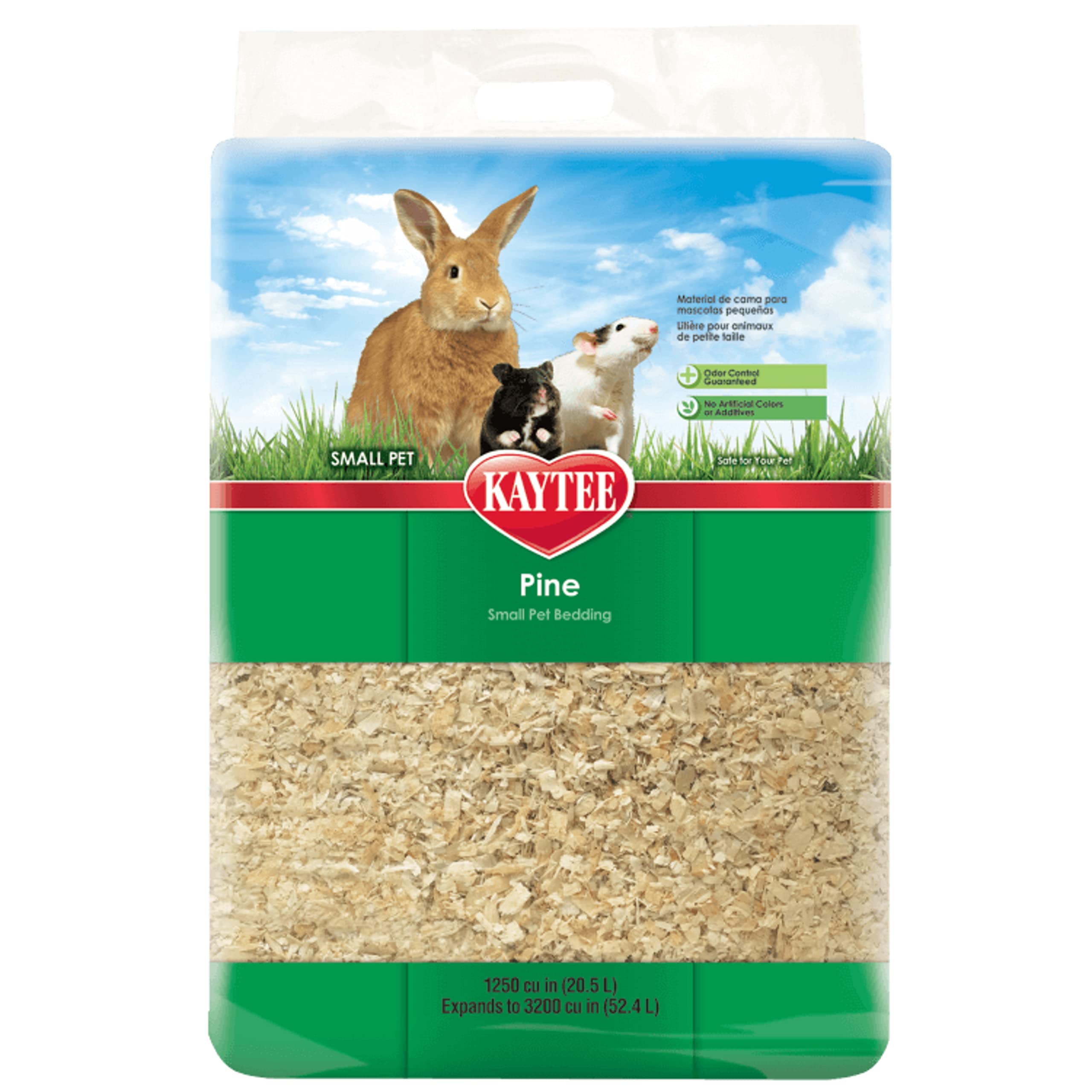
Aromatic softwood bedding can be unsuitable for hamsters. Safer bedding options are usually paper, aspen, or hemp.

Fluffy nesting material can cause entanglement or ingestion concerns and should be avoided.

Many colorful treats are too sugary and are especially poor choices for dwarf hamsters.
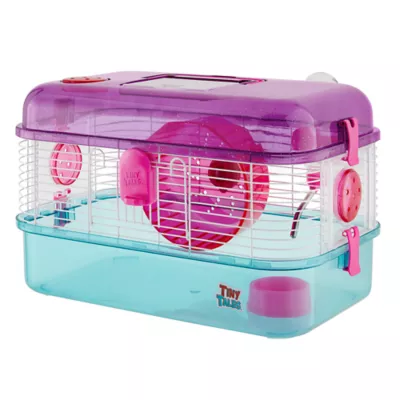
Many starter cages sold in stores are too small for proper enrichment, burrowing, and natural behavior.
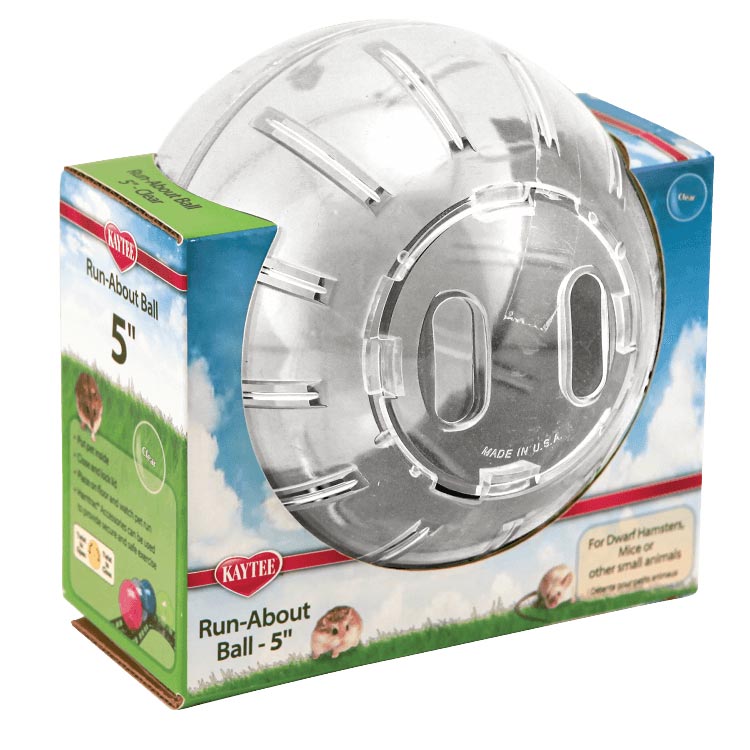
Hamster balls limit natural navigation and can create stress or safety concerns.
product reviews
Read the newest hamster product reviews with product photos, review dates, ratings, prices, descriptions, and quick Amazon referral links.
Loading the latest reviews...
free tool
Enter your enclosure size and desired bedding depth to estimate how much bedding you need.