Make the enclosure feel full
Hamsters thrive in cluttered, enriching environments that encourage exploration and natural behaviors. Fill the enclosure with a variety of hides, cork logs, tunnels, sprays, chew toys, dig boxes, bridges, and other enrichment items to create a stimulating and secure habitat.
Enrichment is not about making the cage look busy for people. It is about giving your hamster things to do, places to hide, textures to explore, food to search for, and safe choices throughout the enclosure. A good setup should make your hamster feel covered, curious, and secure.
The easiest rule
If the enclosure looks empty from above, it probably feels exposed to your hamster. Add more hides, tunnels, sprays, cork, branches, dig areas, and safe clutter so your hamster can move around without feeling out in the open.
Proper vs. improper enrichment
Good enrichment should support natural hamster behavior. Unsafe or poorly chosen items can create fall risks, chewing hazards, stress, or clutter that looks cute but does not actually help your hamster.
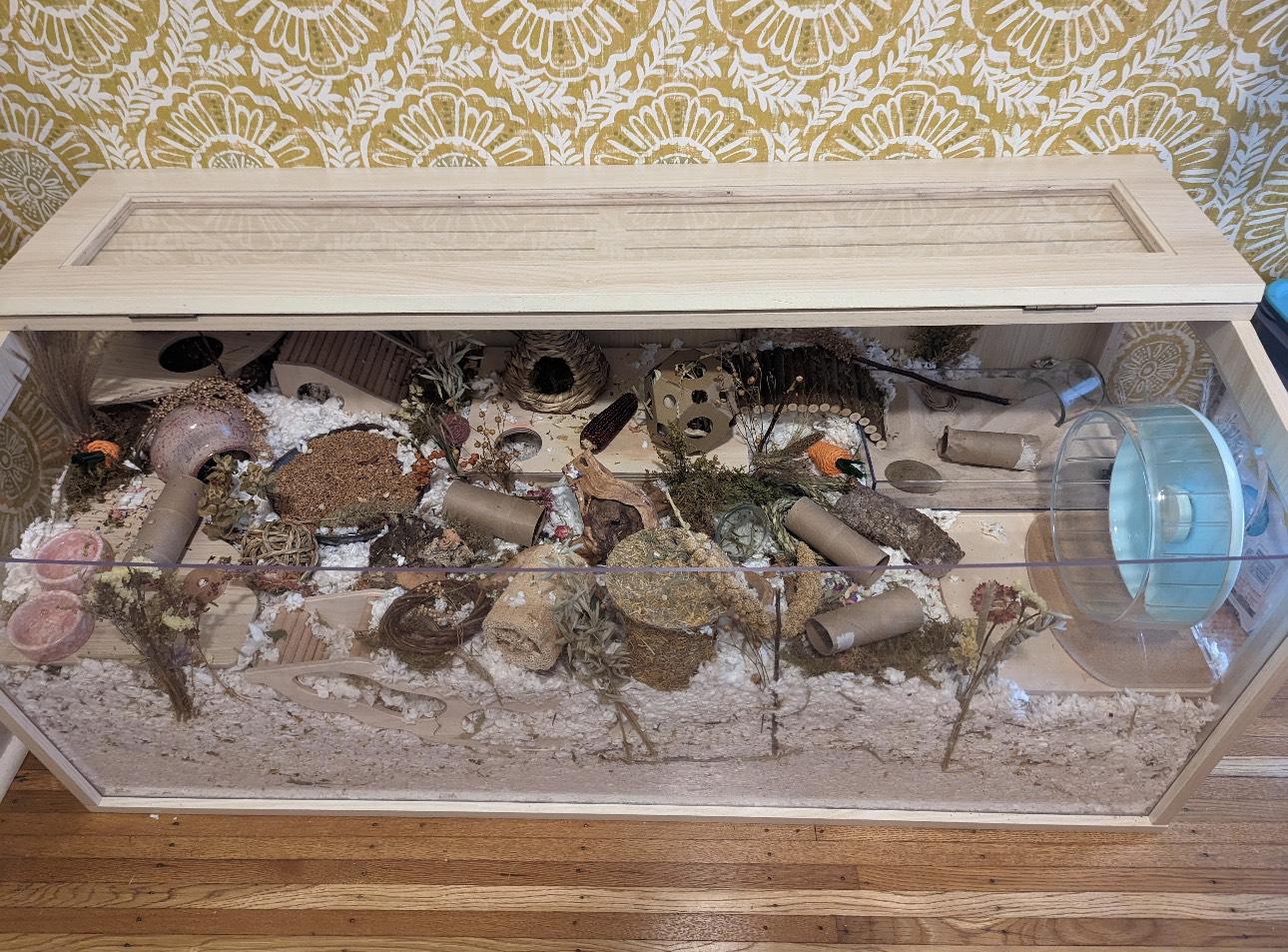
Full, natural setup
A good enclosure includes cover, hides, tunnels, sprays, bedding depth, chew items, and different areas to explore.
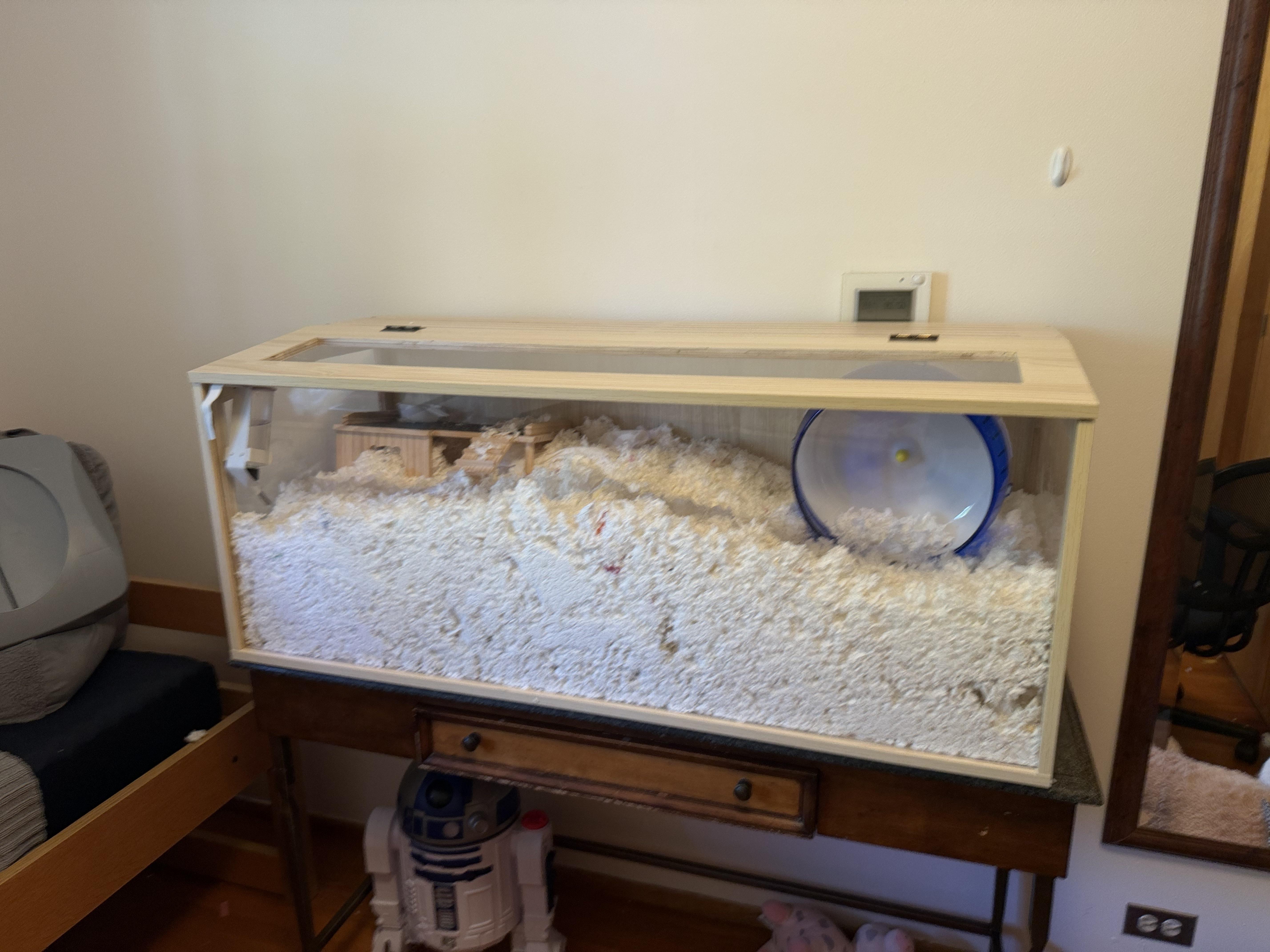
Empty enclosure
Open space may look clean, but hamsters are prey animals. Empty cages can make them feel exposed and bored.

Foraging enrichment
Sprays, scattered food, herbs, and seed mixes encourage your hamster to search, sniff, gather, and work for food naturally.
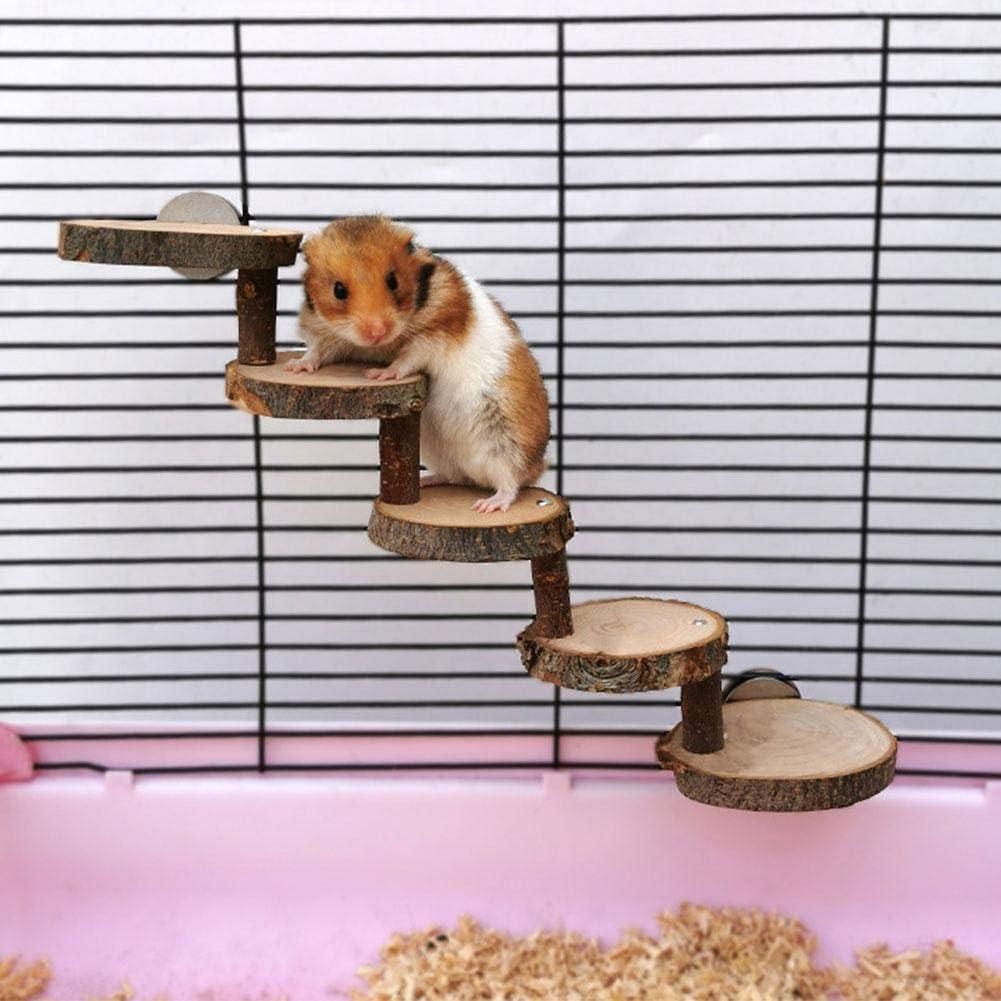
Unsafe enrichment
Avoid unsafe fluff, sharp objects, tall climbing toys, dusty materials, scented items, and anything with small gaps that can trap feet.
Why clutter helps
A well-furnished enclosure provides opportunities for foraging, burrowing, chewing, exploring, and hiding, helping your hamster feel safe while preventing boredom. Open, empty cages can make hamsters feel exposed because there is nowhere to retreat or travel under cover.
Clutter also creates “routes” through the enclosure. Instead of crossing one empty space, your hamster can move from hide to tunnel, tunnel to cork log, cork log to sand bath, and sand bath to bedding area. This makes the enclosure feel larger and more interesting.
Main types of enrichment
The best setups include multiple kinds of enrichment instead of relying on one toy. A wheel is important, but it should not be the only activity in the enclosure.
Burrowing enrichment
Deep bedding, bedding slopes, underground hides, and stable tunnel starters help your hamster dig and build natural burrows.
Foraging enrichment
Scatter feeding, seed sprays, herbs, forage mixes, and puzzle-style feeding encourage searching and gathering.
Security enrichment
Multi-chamber hides, cork logs, tunnels, bridges, and covered paths help your hamster move around while feeling protected.
Texture enrichment
Safe sand, cork, grapevine wood, moss, hay, coco fiber, aspen, and paper bedding give your hamster different surfaces to explore.
Chewing enrichment
Safe wood chews, whimzees, cardboard, and natural chew items help keep your hamster busy and support normal chewing behavior.
Sensory enrichment
Safe dried flowers, herbs, sprays, and natural materials add new smells and textures without overwhelming your hamster.
Good enrichment items
Safe enrichment does not have to be expensive. Many of the best items are simple, natural, and easy to replace when they get dirty or chewed.
- Cork logs Great for tunnels, hiding, climbing over low surfaces, and making covered paths through the enclosure.
- Multi-chamber hides These mimic underground rooms and give your hamster a secure sleeping, nesting, and food-hoarding area.
- Seed sprays Millet, flax, oat, wheat, and other hamster-safe sprays encourage natural foraging.
- Dig boxes A box or section filled with safe substrate gives your hamster another place to dig besides the main bedding.
- Cardboard tubes Plain unscented cardboard tubes can be used as tunnels, chew items, and simple DIY boredom breakers.
- Grapevine wood and safe branches These add texture and structure, but make sure any wood is hamster-safe and properly cleaned.
- Sand bath A sand bath supports grooming and adds another natural activity zone.
- Safe dried herbs and flowers Small amounts can add scent, texture, and foraging interest.
Foraging is one of the easiest upgrades
Instead of serving every meal in a bowl, scatter part of your hamster's food around the enclosure. This encourages them to search for food the way they naturally would. You can sprinkle food through bedding, tuck pieces near hides, or place seeds around cork logs and tunnels.
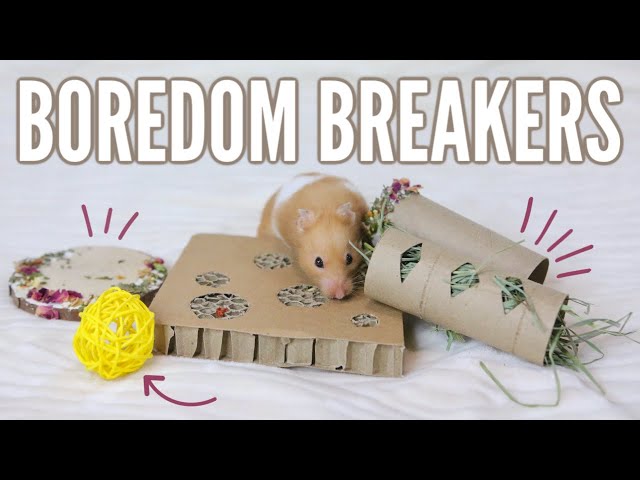
Simple foraging toys can be made from plain cardboard, shredded paper, and small portions of your hamster's regular food mix.
- Scatter feed daily food Start by scattering a small amount of the regular food mix, then increase as your hamster learns to search.
- Use sprays as natural food puzzles Sprays make your hamster work for seeds instead of getting everything from a bowl.
- Hide tiny food portions Place small amounts near tunnels, under safe paper, or inside cardboard boredom breakers.
- Rotate locations Move foraging spots around so your hamster has something new to investigate.
Dig boxes and substrate areas
A dig box gives your hamster another texture to explore. This is especially useful when you want to add variety without changing the entire enclosure. Use a safe container that your hamster can easily enter and exit, then fill it with a hamster-safe digging material.
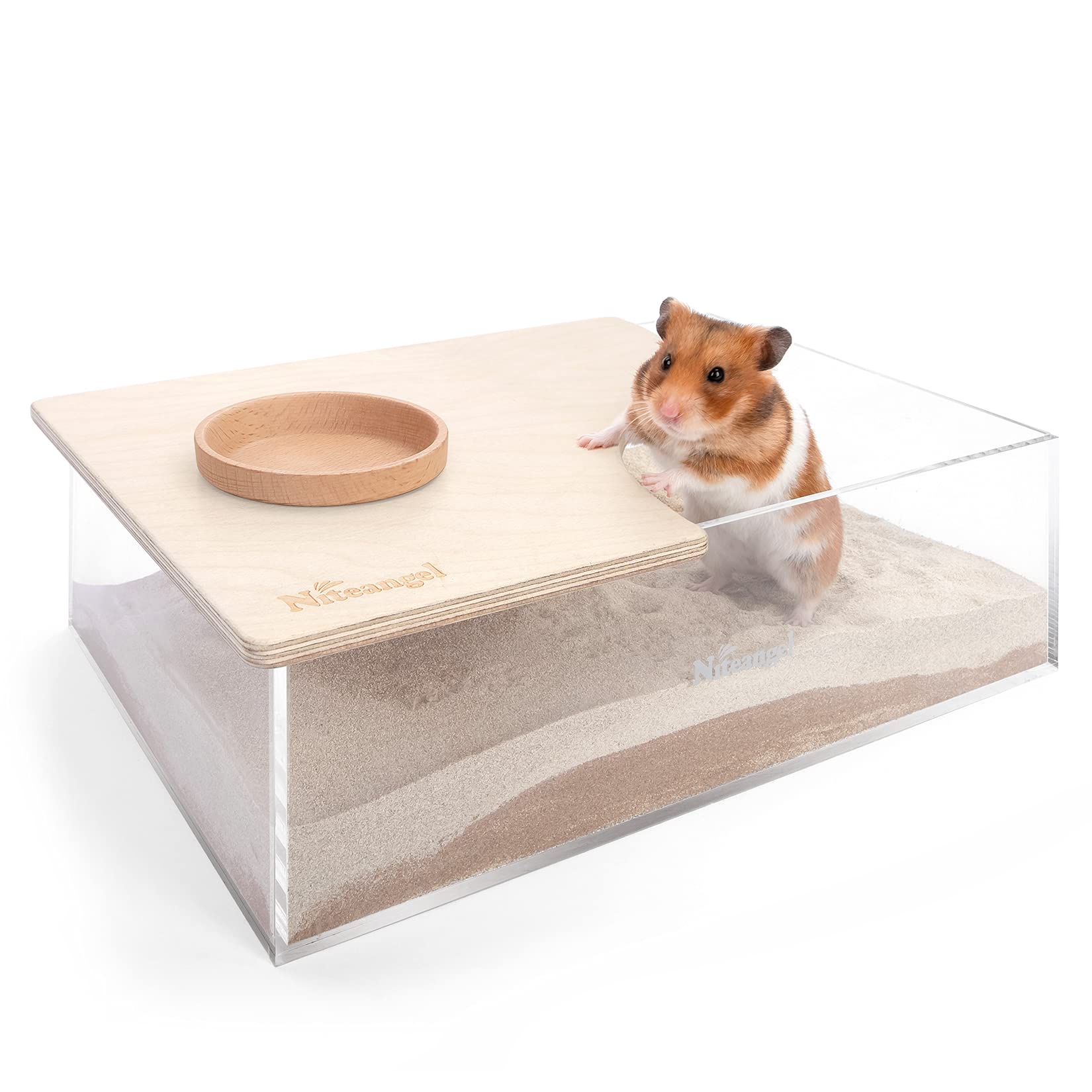
Dig boxes add texture and activity. Keep them shallow enough to access safely, but full enough to encourage digging.
| Enrichment area | Good options | Avoid |
|---|---|---|
| Dig box | Coco fiber, cork granules, aspen, paper bedding, safe soil-style substrates | Dusty sand, scented bedding, unsafe soil, fertilized soil |
| Foraging | Seed sprays, herbs, regular food mix, small safe treats | Too many sugary treats, sticky foods, unsafe mystery mixes |
| Hiding | Multi-chamber hides, cork logs, ceramic hides, cardboard hides | Tiny hides, sharp plastic, hides with trapped openings |
| Chewing | Safe wood, cardboard, hay toys, whimzees in moderation | Painted wood, treated wood, glued decorations, unsafe plastics |
| Cover | Bridges, tunnels, cork bark, sprays, grapevine, low platforms | Tall climbing towers, steep ladders, wire platforms |
DIY enrichment ideas
You can make simple enrichment from safe household materials. Always use plain, unscented, clean materials, and remove anything once it becomes dirty, wet, or heavily chewed.
- Stuffed cardboard tube Place a small amount of food inside a toilet paper tube and loosely stuff the ends with plain paper.
- Forage cup Fill a small cardboard cup with shredded paper and sprinkle a few seeds inside.
- Paper pile Add crumpled plain paper in one area so your hamster can dig, shred, and search through it.
- Hidden food trail Place tiny bits of regular food around safe paths so your hamster has to explore to find it.
- Cardboard tunnel maze Use plain cardboard tubes and boxes to create low, safe covered paths.
Unsafe enrichment to avoid
Not everything sold for hamsters is safe. Many products are designed to look cute to people, not to meet a hamster's real needs.
- Cotton fluff or fluffy nesting material This can tangle around limbs, cause injuries, and create dangerous blockages if swallowed.
- Scented products Scented bedding, scented sand, and scented toys can irritate your hamster and make the enclosure stressful.
- Tall climbing toys Hamsters are not built for high climbing. Keep enrichment low and reduce fall risks.
- Wire shelves or wire ladders Feet and toes can slip through gaps. Use solid surfaces instead.
- Sharp, painted, or treated items Avoid anything with sharp edges, unknown paint, glue, varnish, or treated wood.
- Small enclosed plastic tubes These can be poorly ventilated, hard to clean, and too tight for larger hamsters.
How much clutter is enough?
A good enclosure should feel full but still functional. Your hamster should have clear ways to move around, but those paths should be covered and interesting. If your hamster has to cross large empty sections to reach the wheel, food, water, or sand bath, add more cover.
A helpful goal is to make the enclosure look like a small natural landscape. Use bedding hills, cork logs, hides, sprays, and tunnels to create different zones. The wheel area, sand area, food area, burrow area, and hide area should all feel connected.
- At least several hides Give your hamster multiple places to retreat, not just one house.
- Covered routes Use tunnels, cork, bridges, and sprays so your hamster can move without feeling exposed.
- Different textures Add safe materials with different textures, such as cork, sand, bedding, hay, and wood.
- Enough open space for the wheel Clutter is good, but the wheel still needs to spin freely and safely.
Rotate enrichment carefully
Changing the enclosure too often can stress some hamsters, especially if their sleeping area or burrows are destroyed. Instead of fully rearranging everything constantly, rotate a few small enrichment items at a time.
Keep your hamster's main nest, burrow area, and familiar hides as stable as possible. Add variety by changing sprays, moving a chew toy, adding a cardboard puzzle, or refreshing a dig box.
Best approach
Do not strip the enclosure and redesign it every few days. Keep the main layout familiar, then add small enrichment changes so your hamster has new things to explore without losing their sense of security.
Signs your hamster may need more enrichment
Every hamster has a different personality, but repeated stress behaviors can be a sign that the enclosure needs more space, deeper bedding, safer cover, or more activities.
- Bar biting Repeated chewing on bars can be a sign of stress, boredom, or a cage that is too small.
- Constant escape attempts Pushing at corners, climbing obsessively, or trying to force the lid open may mean the setup is not meeting their needs.
- Repetitive pacing Running the same route again and again can happen when a hamster is frustrated or under-stimulated.
- No burrowing Some hamsters will not burrow if bedding is too shallow, unstable, or exposed.
- Only using the wheel If the wheel is the only thing your hamster uses, the rest of the enclosure may need more interesting enrichment.
Final recommendation
A strong enrichment setup should include deep bedding, multiple hides, a safe wheel, a sand bath, cork logs, tunnels, sprays, chew items, dig boxes, and foraging opportunities. The goal is to create a habitat where your hamster can choose between hiding, digging, exploring, chewing, grooming, and searching for food.
Best choice
Build the enclosure around natural behaviors. Give your hamster places to burrow, safe paths to travel, items to chew, food to forage, and enough cover to feel secure.